CITES, Annex A and Article 10 Certificates Explained for Buyers
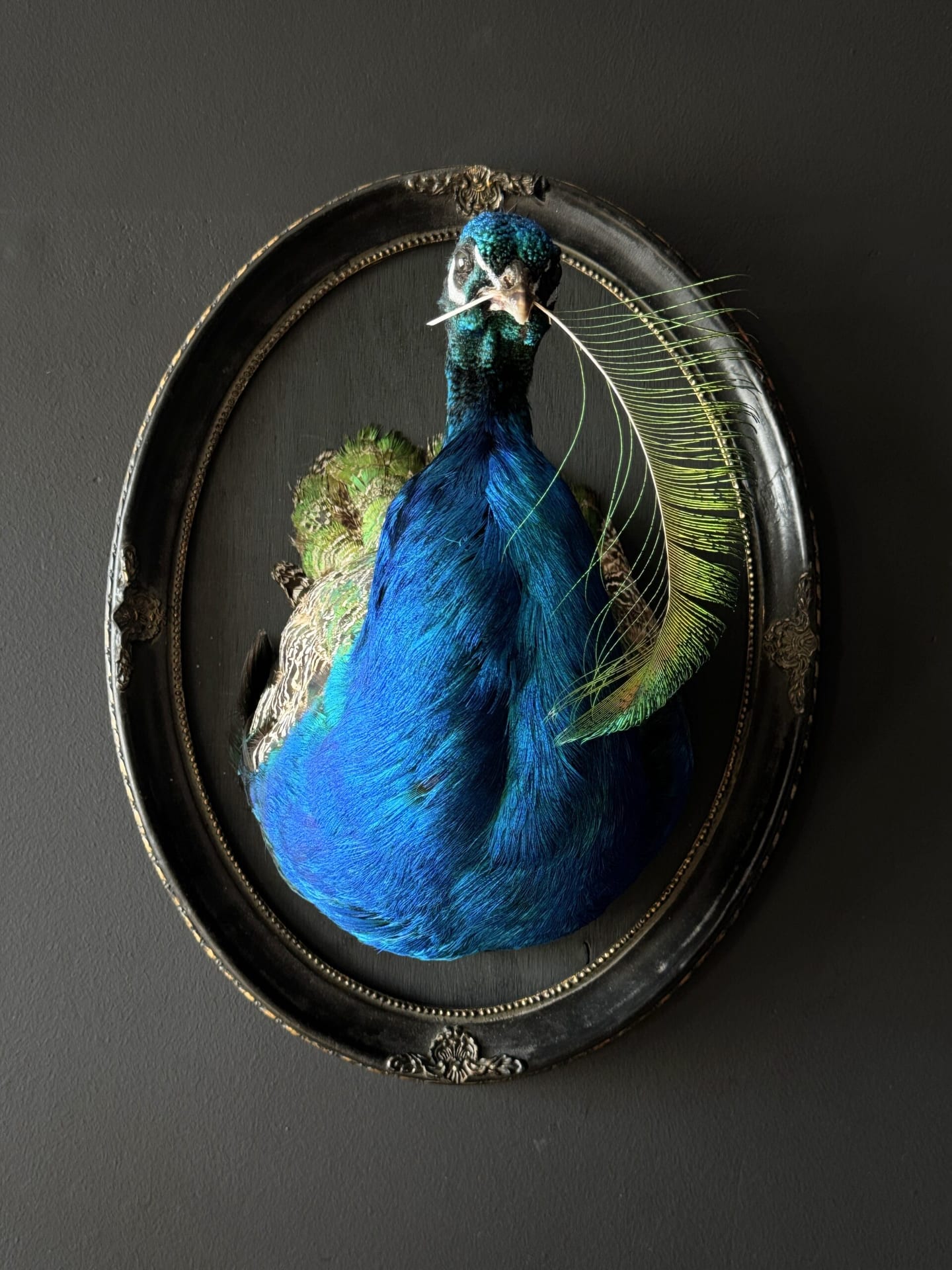
Anyone shopping for taxidermy runs into the same acronym soup: CITES, Appendix I, Annex A, Article 10, “worked specimen”, pre-1947. The terms sound interchangeable. They are not, and the differences decide whether a piece can legally be sold to you.
This is a plain-language explanation of how the layers fit together, written for buyers rather than lawyers. It is general guidance, not legal advice — for a specific specimen, ask the seller for documentation and, if the value warrants it, check with your national CITES authority.
Two different systems, stacked
The confusion comes from the fact that two systems are running at once, using similar words for different things.
CITES is an international treaty. It uses Appendices I, II and III.
The EU implements CITES through its own Wildlife Trade Regulations. These use Annexes A, B, C and D.
They are not the same lists. The EU Annexes are stricter: Annex A contains everything in CITES Appendix I plus additional species the EU has chosen to protect more heavily. So a species can be Appendix II internationally but Annex A within the EU — and Annex A is the standard that governs what a European dealer may sell you.
The UK now runs a parallel domestic regime that mirrors the EU structure closely.
The CITES appendices
Three tiers, by conservation status:
Appendix I — species threatened with extinction. Commercial international trade is prohibited, with narrow exceptions for scientific and non-commercial purposes. Tigers, sea turtles, great apes, many rhino and elephant populations.
Appendix II — species not necessarily threatened now, but which may become so unless trade is closely controlled. Trade is permitted with the correct permits. This is the largest appendix by far.
Appendix III — species that one country already protects domestically and has asked other countries to help control.
The current lists are published on the official CITES appendices page, and national authorities such as the US Fish & Wildlife Service publish accessible summaries.
EU Annexes A to D
Annex A — the strictest. Includes all CITES Appendix I species plus others. Commercial use requires a certificate.
Annex B — broadly CITES Appendix II. Legal to trade within the EU if legally acquired; import and export need permits.
Annex C and D — monitoring categories with lighter requirements.
The controlling document is the EU wildlife trade framework, which explains how the Annexes operate in practice.
What an Article 10 certificate actually is
This is the piece most buyers need to understand, and the name is unhelpfully bureaucratic.
Under EU regulations, an Article 10 certificate is the document that permits commercial activity involving an Annex A specimen. Without one, it is illegal to:
- sell the specimen
- offer or display it for sale
- transport it for the purpose of sale
- keep it for sale
Note what is not on that list: simply owning it. Private possession of a legally acquired Annex A specimen generally does not require a certificate. The certificate governs commerce, not ownership.
Two more things worth knowing:
It is specimen-specific. The certificate is issued for that particular object, usually with photographs and identifying marks. It is not a general licence for a species, and it does not cover a second item of the same type.
It travels with the object. When you buy, the certificate should be handed over with the piece. If you later sell, the buyer needs it. A missing certificate on an Annex A item can make it effectively unsaleable — which is why we stress keeping the paperwork in the main guide to buying taxidermy legally and ethically.
Some certificates are transaction-specific — valid for a single sale — and others are specimen-specific and reusable. Check which you are being given.
The antique exemption and the 1947 date
You will see “pre-1947” constantly in this trade. Here is what it means.
EU rules define a “worked specimen” as one acquired before 3 March 1947 that has been significantly altered from its natural raw state — carved, mounted, made into jewellery, or otherwise turned into an object — and that has not been further altered since.
Worked specimens of Annex A species can be traded commercially under a lighter regime than modern material. Much Victorian and Edwardian taxidermy falls into this category, which is precisely why so much of the antique trade operates comfortably.
Two cautions:
You have to be able to demonstrate it. The burden of proof sits with the seller. Assertion is not evidence — old photographs, auction records, case labels, documented provenance and expert opinion are.
“Worked” is a real test. A mounted specimen normally qualifies. Raw material — an untreated skin, loose horn, unworked ivory — generally does not, even if genuinely old.
Which species actually need paperwork
For practical purposes, most of what people buy needs nothing at all.
Generally no paperwork required:
- Common European deer — antlers, skulls and shed antler
- Domestic livestock — cow, sheep and goat hides
- Widespread farmed and common bird species
- Common insects — most butterflies and beetles
- Replicas and casts, which contain no animal material
Paperwork very likely required:
- All birds of prey and owls — heavily protected across Europe, including native species
- Big cats, bears, wolves, primates
- Sea turtles, marine mammals, corals of listed species
- Ivory of any kind, which carries additional national rules beyond CITES
- Certain parrots, and a small number of protected butterflies such as some birdwings
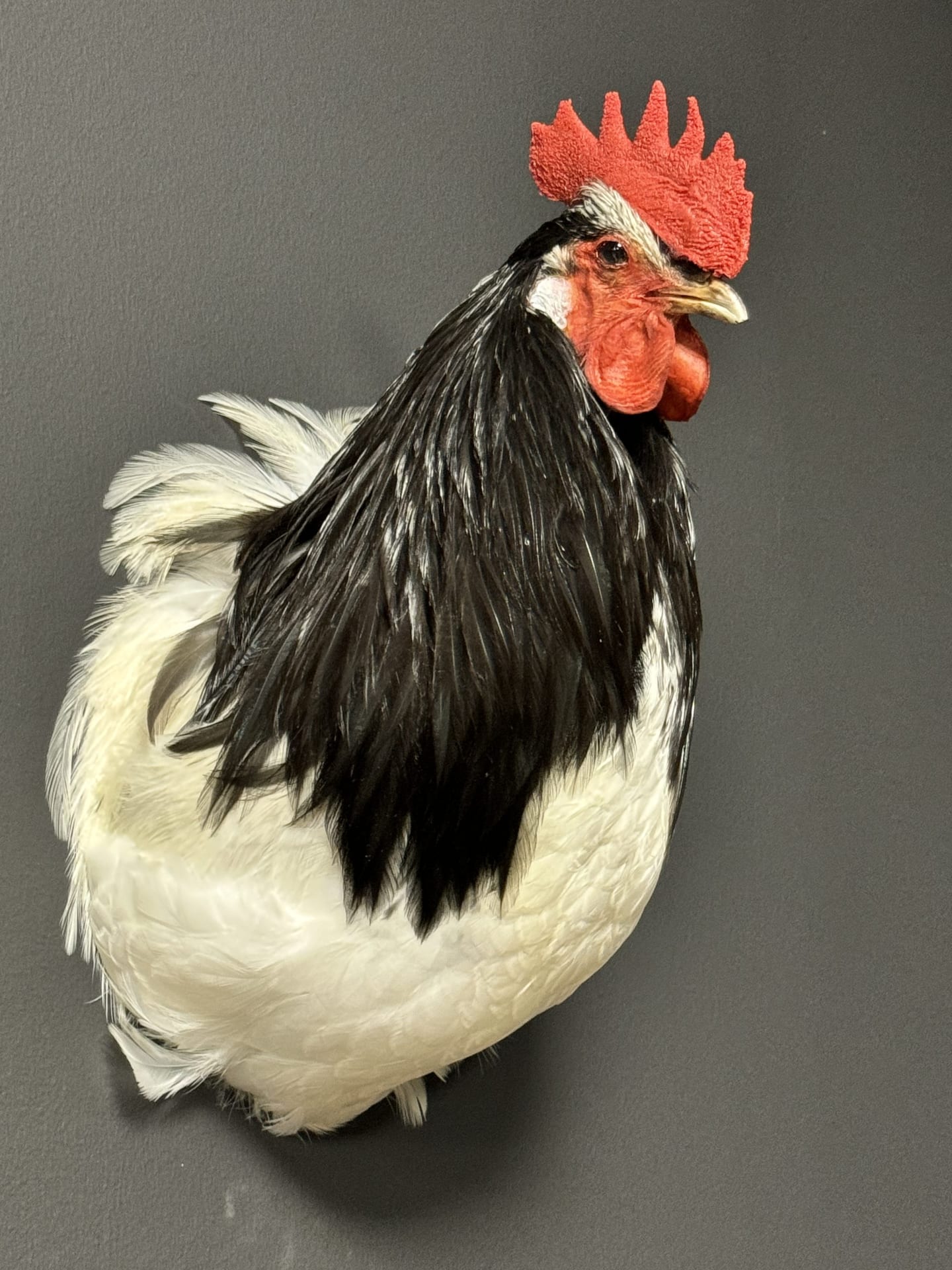
Worth checking specifically: peacocks and pheasants are usually unrestricted, but exotic and ornamental bird species vary considerably, and the answer depends on the exact species rather than the general category.
Crossing borders
Import and export are where enforcement is strictest, because that is where documents are actually checked.
For Annex A and B material moving in or out of the EU, you normally need an export permit from the country of origin and an import permit at the destination. Both are issued by national management authorities, both take weeks rather than days, and the export permit must be issued before the item ships.
Getting this wrong is expensive. Customs seizure is common, and seized specimens are rarely returned. Never let a seller ship a listed specimen internationally on the basis that “it should be fine”.
Within the EU, moving an Annex A specimen between member states does not require permits, but the specimen must still be legally acquired and certificated for any commercial use.
Questions to ask a seller
- What is the exact species — scientific name if possible?
- Is it CITES-listed, and in which appendix?
- What EU Annex does it fall under?
- Does it have an Article 10 certificate, and is that certificate specimen-specific or transaction-specific?
- If it is claimed as pre-1947, what evidence supports that date?
- Will the certificate be transferred to me on purchase?
A dealer who handles listed species routinely will answer these quickly. Hesitation on question 4 or 5 is the point at which to slow down.
Frequently asked questions
Do I need a certificate to own taxidermy at home? Generally no. Article 10 certificates govern commercial activity, not private possession of legally acquired specimens.
Is it illegal to inherit a protected specimen? No. Inheriting is not commercial activity. Selling it later may require a certificate.
Does the seller or the buyer apply for the certificate? The seller — it is required before the item can lawfully be offered for sale.
What if I already own something and cannot find the paperwork? Contact your national CITES management authority. Replacement or retrospective certification is sometimes possible with adequate evidence of legal acquisition.
Are replicas covered by CITES? No. Casts and replicas contain no animal material and are unrestricted — one reason they are a sensible choice for anyone who wants the object without the administration.
For the wider buying process, see buying taxidermy legally and ethically, or contact us about the documentation on any specific piece.